


02 Jul 6 CSA B167-26 Changes Every Overhead Crane Owner Should Know
The latest edition of CSA B167-26 introduces several updates that affect the inspection, maintenance, and operation of overhead cranes across Canada.
While many of the revisions clarify existing requirements, others introduce new expectations for crane owners, employers, inspectors, and service providers. Understanding these changes can help improve safety, support compliance, and reduce unexpected downtime.
Below are six of the most significant changes introduced in CSA B167-26 and what they mean for your operation.
1. New Qualification Requirements for Inspectors and Service Technicians
CSA B167-26 places greater emphasis on the qualifications of personnel performing overhead crane inspections and maintenance. While competency has always been required, the updated standard now provides clearer guidance on the experience, knowledge, and documentation expected for both inspectors and service technicians.
For work involving hazardous (explosion-proof) equipment and specialized tasks, additional qualifications may also be required.
Why It Matters
The quality of an inspection depends on the knowledge and experience of the person performing it. Properly qualified inspectors and technicians are better equipped to identify wear, damage, and safety concerns before they lead to equipment failures or costly downtime.
What You Should Do
Work with a qualified service provider that can demonstrate technician competency and ensure inspection and maintenance records are completed by appropriately trained personnel.
The Acculift Difference
At Acculift, technician training and competency have always been a priority. Our experienced technicians receive ongoing training and perform inspections in accordance with current industry standards, helping customers maintain safe, reliable, and compliant lifting equipment.
2. Updated Inspection Frequencies
CSA B167-26 updates the recommended inspection frequencies based on a crane’s class of service. The revised inspection schedule better aligns inspection intervals with how heavily the equipment is used.
| Class of Service | Frequent Inspection | Periodic Inspection |
|---|---|---|
| A – Infrequent Service | Semi-Annually | Annually |
| B – Light Service | Monthly | Annually |
| C – Moderate Service | Monthly | Annually |
| D – Heavy Service | Monthly | Semi-Annually |
| E – Severe Service | Weekly | Quarterly |
| F – Continuous Severe Service | Daily | Quarterly |
Why It Matters
Inspection frequencies should reflect how demanding your operating environment is. Equipment that experiences heavier usage or harsher operating conditions requires more frequent inspections to identify wear before it develops into safety issues or unexpected downtime.
What You Should Do
Review your crane’s service classification and compare your current inspection schedule against the updated recommendations. If production demands have changed over time, your inspection program may need to be updated as well.
3. New Guidance for Spare Remote Controls
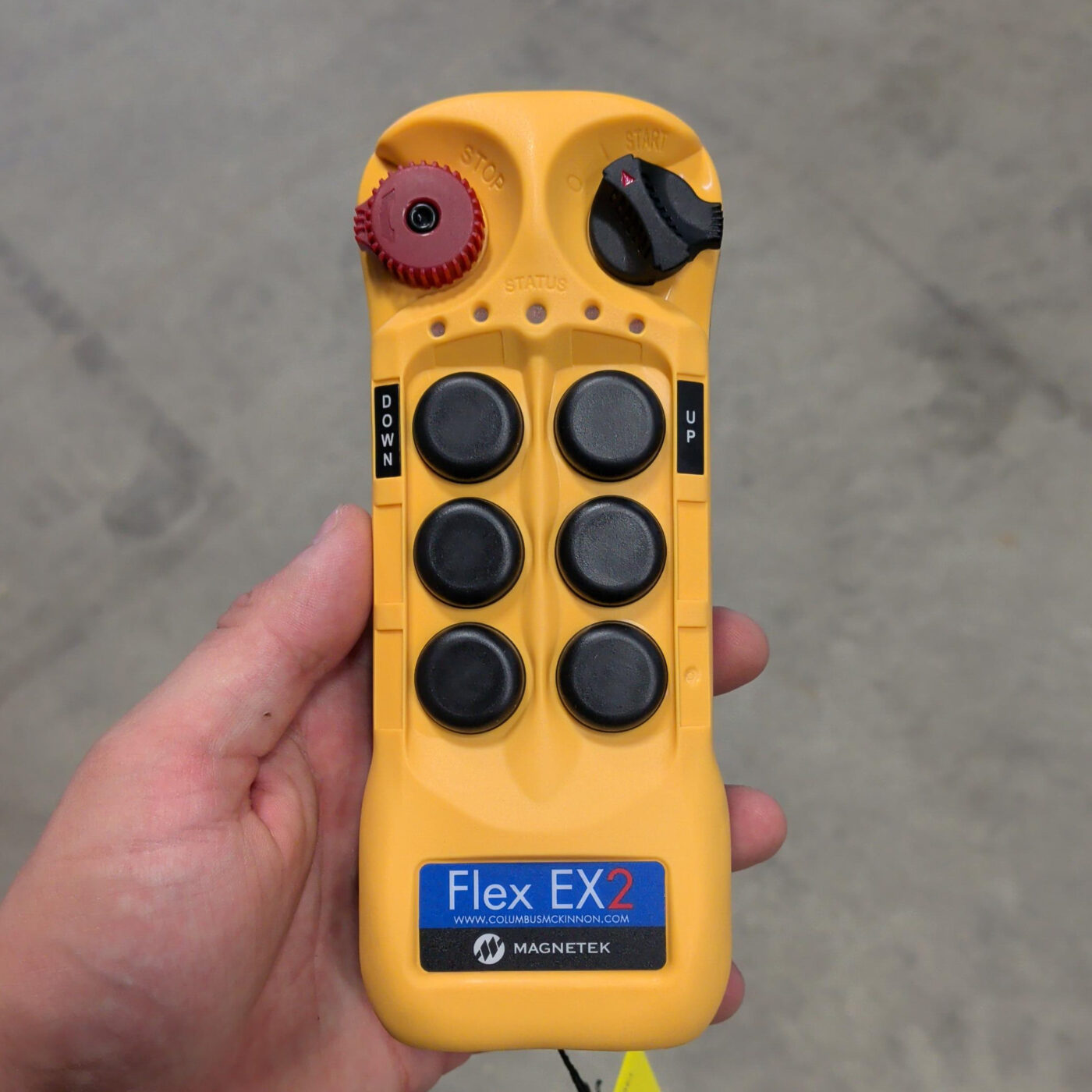
As wireless radio controls have become standard on many overhead cranes, CSA B167-26 now includes guidance for managing replacement transmitters.
Facilities should maintain documented procedures for activating replacement remotes, control access to spare transmitters, and keep an accurate inventory of all devices.
Why It Matters
Without proper controls, spare transmitters can introduce unnecessary safety risks. Documented procedures help ensure only authorized remotes are active and reduce the possibility of unintended crane operation.
What You Should Do
Develop a documented process for managing spare remotes, maintain an inventory of all transmitters, and ensure only authorized personnel can activate replacement devices.
4. New Inspection Requirements for Equipment Returning to Service
CSA B167-26 introduces new guidance for overhead cranes returning to service after extended periods of inactivity. The required inspection depends on both the crane’s classification and the length of time it has been out of operation.
Why It Matters
Many facilities have standby cranes, seasonal equipment, or cranes that remain idle during plant shutdowns or production changes. Before these cranes return to service, additional inspections may now be required to verify they remain safe to operate.
What You Should Do
If any of your cranes have been out of service for an extended period, review the updated requirements before placing them back into operation. Developing a documented return-to-service process can help ensure the appropriate inspections are completed before work resumes.
5. Supporting Structure Documentation and Capacity Are Receiving Greater Attention
CSA B167-26 places greater emphasis on documenting the capacity and engineering of crane runways and supporting structures. Where operating limitations exist, those restrictions should be clearly identified so crane operators understand the limits of the supporting structure.
Why It Matters
A crane is only as safe as the structure supporting it. Proper documentation and clearly identified capacity limitations help ensure equipment is operated within the building’s engineered design limits and provide confidence that the crane system has been properly evaluated.
What You Should Do
Review the documentation for your crane runway and supporting structure to confirm the engineered capacity is available. If operating limitations exist, ensure they are permanently displayed where crane operators can easily see them.
6. Tandem Lifting Requires Additional Planning
CSA B167-26 now provides a formal definition for tandem lifting and introduces additional planning requirements for lifts involving more than one crane or powered lifting device.
These operations should follow documented lift planning procedures and be carried out by trained personnel.
Why It Matters
Tandem lifts involve additional risks because multiple lifting devices must work together safely. Proper planning helps reduce the likelihood of uneven loading, communication issues, or unexpected load movement.
What You Should Do
If your facility performs tandem lifts, develop written lift procedures, ensure operators are properly trained, and establish a documented lift planning process before work begins.
What Should Crane Owners Do Next?
The release of CSA B167-26 is a good opportunity to review your overhead crane program and confirm your inspection, maintenance, and documentation practices remain up to date.
Consider reviewing:
- Inspection schedules and service classifications
- Spare remote control procedures
- Technician and inspector documentation
- Tandem lift planning procedures
- Crane system certification records
- Runway and structure capacity signage
Need Help Navigating CSA B167-26?
Our experts are here to help you stay safe and compliant.